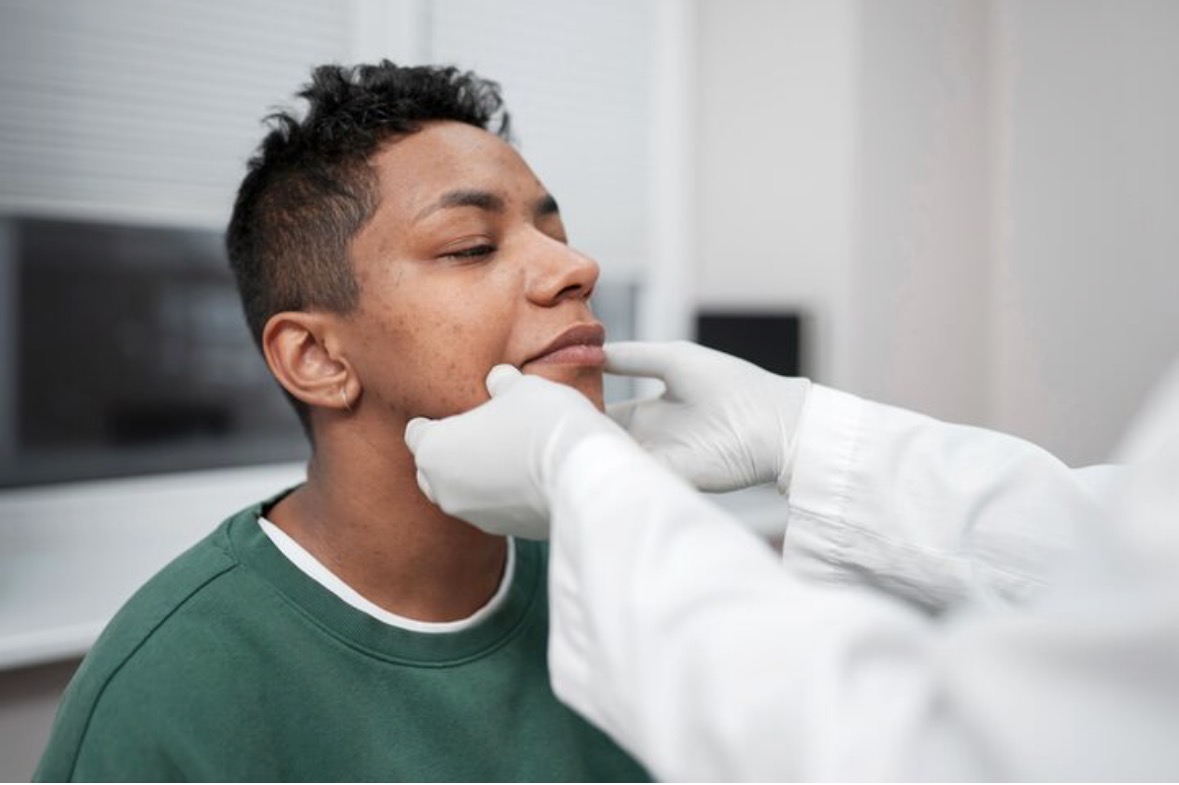
Orthognathic surgery, commonly known as corrective jaw surgery, is a procedure designed to fix structural abnormalities of the jaws. Unlike traditional orthodontics, which primarily straightens teeth, orthognathic surgery focuses on the skeletal alignment of the jaw. It addresses issues such as overbites, underbites, crossbites, and open bites, improving both functionality and facial aesthetics. This procedure is often recommended for patients whose jaw misalignment causes chronic discomfort or affects their overall oral health.
Functional Benefits of Corrective Jaw Surgery
One of the primary reasons patients undergo orthognathic surgery is to restore proper jaw function. Misaligned jaws can interfere with chewing, speaking, and even breathing. By repositioning the jaws correctly, the surgery alleviates strain on the temporomandibular joint (TMJ), reduces jaw pain, and enhances overall oral efficiency. Patients often notice immediate improvements in bite alignment and a significant reduction in discomfort associated with chronic jaw issues.
Aesthetic Improvements and Facial Harmony
In addition to functional benefits, orthognathic surgery can dramatically improve facial aesthetics. Jaw misalignment can lead to asymmetry, a receding or protruding chin, or an uneven smile. Correcting the jaw structure enhances facial balance, improves the appearance of the chin and jawline, and boosts self-confidence. For many patients, these aesthetic changes are as impactful as the functional improvements, contributing to overall psychological well-being.
The Surgical Process and Preparation
Orthognathic surgery typically requires careful planning in collaboration with an orthodontist and oral surgeon. Pre-surgical orthodontic treatment may be necessary to align teeth in preparation for the procedure. During surgery, the upper jaw, lower jaw, or both are repositioned to achieve optimal alignment. Advanced imaging techniques, 3D modeling, and precise surgical planning ensure accuracy and predictability in outcomes. Recovery usually involves a combination of a soft diet, pain management, and follow-up orthodontic adjustments.
Recovery and Long-Term Care
Post-operative care is essential for successful healing. Swelling and discomfort are common during the first few weeks, and patients are advised to follow a soft or liquid diet. Physical therapy and jaw exercises may help restore mobility and strength. Regular follow-ups with the surgical team ensure proper healing and monitor long-term stability. Most patients can resume normal activities gradually, with complete healing occurring over several months.
Conclusion
Orthognathic surgery is more than a cosmetic procedure; it is a comprehensive solution for jaw misalignment, improving both functionand appearance. By correcting structural abnormalities, patients experience enhanced chewing, speech, and breathing, along with improved facial symmetry. Early evaluation and careful planning are key to achieving optimal results. For those with chronic jaw issues or severe misalignment, orthognathic surgery offers a life-changing solution that enhances health, functionality, and confidence.