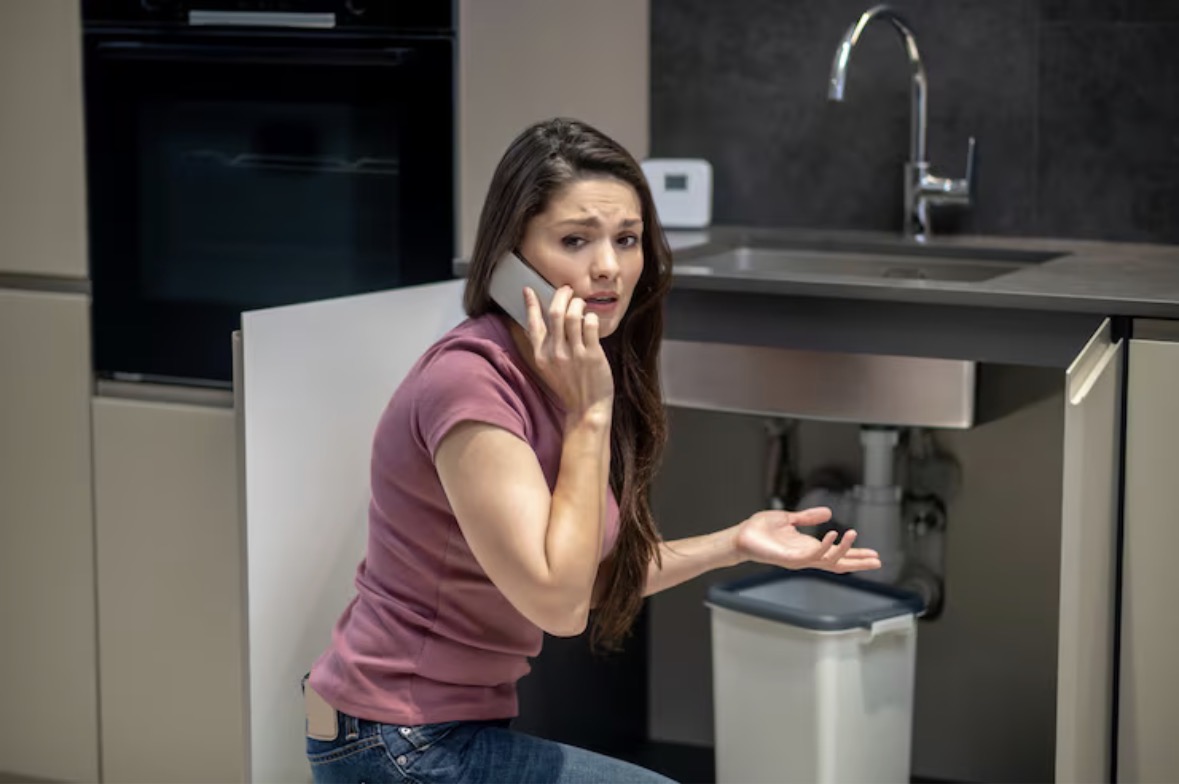
A small plumbing leak can start causing damage within hours. If the leak continues, moisture can spread into drywall, flooring, insulation, cabinets, and other materials.
The damage may not be obvious right away. In fact, some of the most serious leaks develop behind walls or under floors where you cannot easily see them.
Understanding thewater leak damage timelinecan help you know when to take action. Even a slow drip can become a costly problem when it continues for days or weeks.
For homeowners in Metro Atlanta and nearby areas, Davis & Sons Plumbing provides professional leak detection to help locate hidden plumbing problems before they cause more damage.
How Quickly Can a Small Water Leak Cause Damage?
There is no exact timeline for every water leak.
The speed of the damage depends on several factors. These include how much water is leaking, where the leak is located, and what materials are getting wet.
A slow drip under an open sink may be easy to notice. A similar leak behind a wall can continue much longer before you see any signs.
The main problem is constant moisture. When materials stay wet instead of drying out, damage can slowly spread beyond the original leak.
The First Few Hours: Moisture Starts to Spread
Water can begin moving into nearby materials soon after a leak starts.
Drywall, wood, insulation, carpet, and cabinets can absorb water. Some materials soak up moisture faster than others.
You may notice a small stain, damp area, or change in color. However, what you see on the surface may only be part of the problem.
Water can also move along pipes, wall framing, or flooring before it becomes visible. This means the place where you see water may not be where the leak actually started.
Within 24 to 48 Hours: The Risk Becomes More Serious
The longer an area stays wet, the greater the chance that additional problems will develop.
The U.S. Environmental Protection Agency recommends drying water-damaged materials within about 24 to 48 hours to help prevent mold growth.
This is one reason it is important to understand how fast water damage spreads. Moisture that stays trapped behind walls, under floors, or inside cabinets may not dry on its own.
During this stage, you might notice:
- Growing water stains
- Soft or swollen drywall
- Peeling paint
- Warped flooring
- Damp or musty areas
- Swollen wood or cabinets
The plumbing leak may still look small, but the affected area can continue to grow.
After Several Days: Repairs Can Become More Extensive
A leak that continues for several days may cause damage beyond the plumbing system itself.
Drywall can weaken. Wood may swell or warp. Flooring may separate or buckle. Wet insulation may also need attention if it cannot dry properly.
This is how asmall leak can cause big damage.
The amount of water leaking each minute may seem minor. However, repeated exposure to moisture can affect a larger area over time.
Slow leaks can also be difficult to notice because the damage develops little by little. You may not realize there is a problem until you see a stain, smell a musty odor, or notice a change in your flooring or walls.
What Affects How Fast Water Damage Spreads?
Not every leak causes damage at the same rate.
Location of the Leak
Leaks in visible areas are often found faster. A leak inside a wall, ceiling, or floor may continue unnoticed.
Type of Material
Drywall, wood, carpet, and insulation can absorb moisture. Water may move through these materials even when you do not see standing water.
Amount of Water
A faster leak can spread water quickly. A slow leak may take longer, but it can still cause serious problems if it continues.
Ventilation
Water in an open and well-ventilated area may dry faster. Moisture trapped inside a wall or beneath flooring has fewer chances to escape.
These factors help explain why two similar plumbing leaks can cause very different levels of damage.
Signs That a Hidden Leak May Be Spreading
You do not need to see water pouring from a pipe to have a plumbing leak.
Watch for changes around your home, especially when there is no clear reason for them.
Common warning signs include:
- Water stains on walls or ceilings
- Damp spots
- Peeling or bubbling paint
- Warped flooring
- Swollen cabinets
- Musty odors
- Sounds of running or dripping water
- Unexplained drops in water pressure
- Higher water bills without a clear reason
One warning sign does not always confirm a leak. However, several signs appearing together may mean water has been escaping for some time.
Why You Should Not Wait for the Leak to Get Worse
One of the biggest mistakes you can make is waiting until the damage becomes obvious.
By the time you see a large stain or damaged floor, water may have already reached other materials.
Finding the leak early can help limit the area that needs repair. It may also prevent a simple plumbing problem from turning into repairs involving drywall, flooring, cabinets, or other parts of your home.
You should also avoid judging a leak by the size of the visible water spot.
A small ceiling stain does not always mean a small leak. Water may have traveled from another area before reaching the surface.
If you suspect a hidden leak, finding the source is more important than simply watching the visible stain.
Take Action When You Notice the Early Signs
A small leak does not always lead to major water damage. However, the risk increases the longer the leak continues.
Pay attention to unusual stains, moisture, odors, sounds, and changes in your water bill. These signs can help you catch a problem before it spreads further.
If you suspect a hidden plumbing leak in the Metro Atlanta area, Davis & Sons Plumbing can help locate the source and determine the right repair.
Frequently Asked QuestionsCan a plumber find a leak behind a wall without cutting it open?
Often, yes. A plumber may use professional leak detection equipment to narrow down the source before opening a wall or floor. The method depends on the type of plumbing system and where the leak is suspected. Finding the location first can help reduce unnecessary damage while investigating the problem.
Can high water pressure make a small plumbing leak worse?
Yes. High water pressure puts added stress on pipes, fittings, valves, and plumbing fixtures. If a connection is already weak, excess pressure may make the problem worse over time. Checking water pressure can be useful when your home has repeated leaks, damaged fixtures, or other plumbing problems.